A person crouches next to a bicycle with an attached child bike trailer along a paved path beside a building and low greenery.

How to fit your Thule bike trailer to your bike

Some bikes require an adapter to connect a Thule bike trailer securely. This guide will help you determine whether you need one and which adapter is right for your bike.

First, let’s understand how the trailer connects. You attach the trailer to your bike through the Thule axle mount ezHitchTM. On newer trailer models this has a plate design and on older models, a cup design. Both versions have a 10 mm hole where you insert a threaded bolt to connect them to the bike.
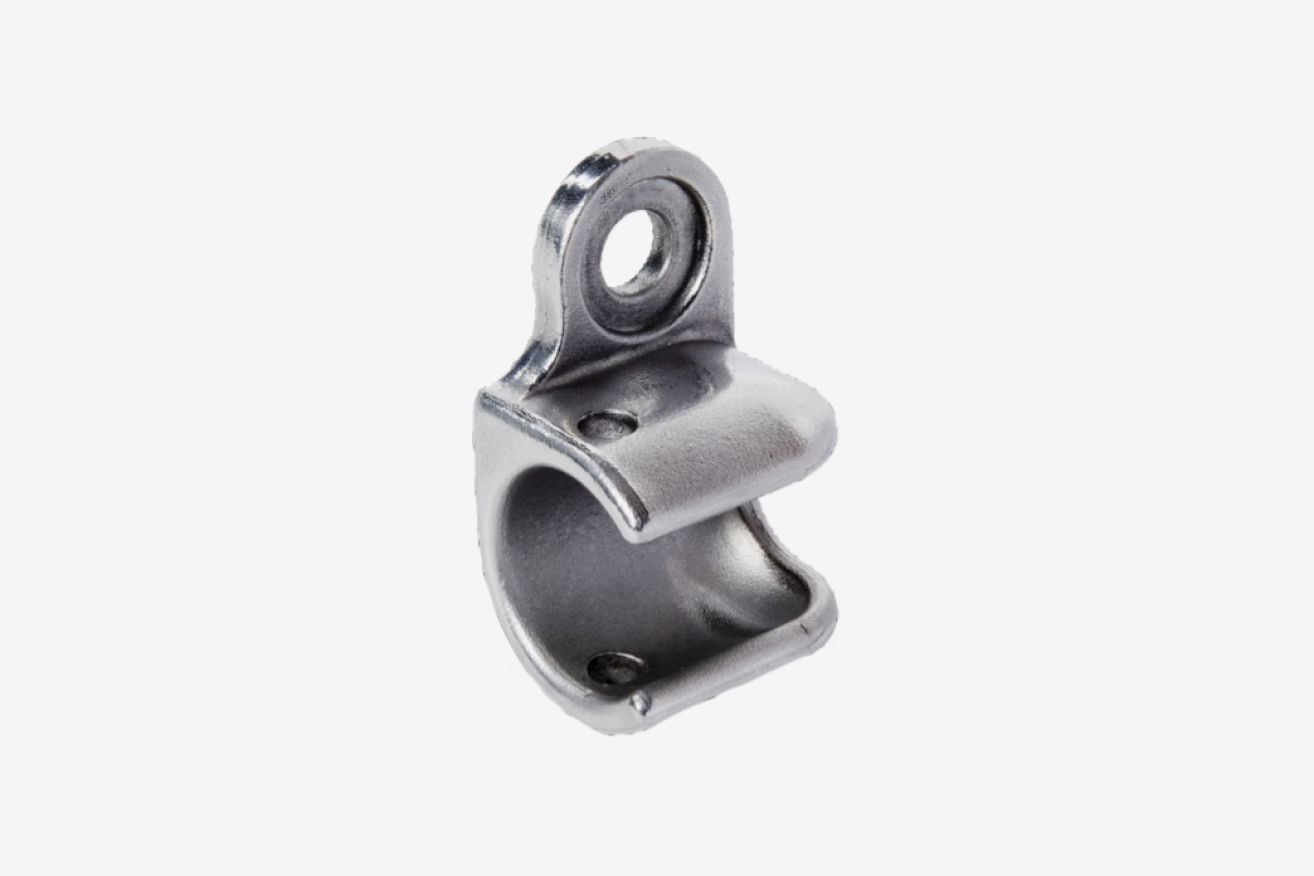
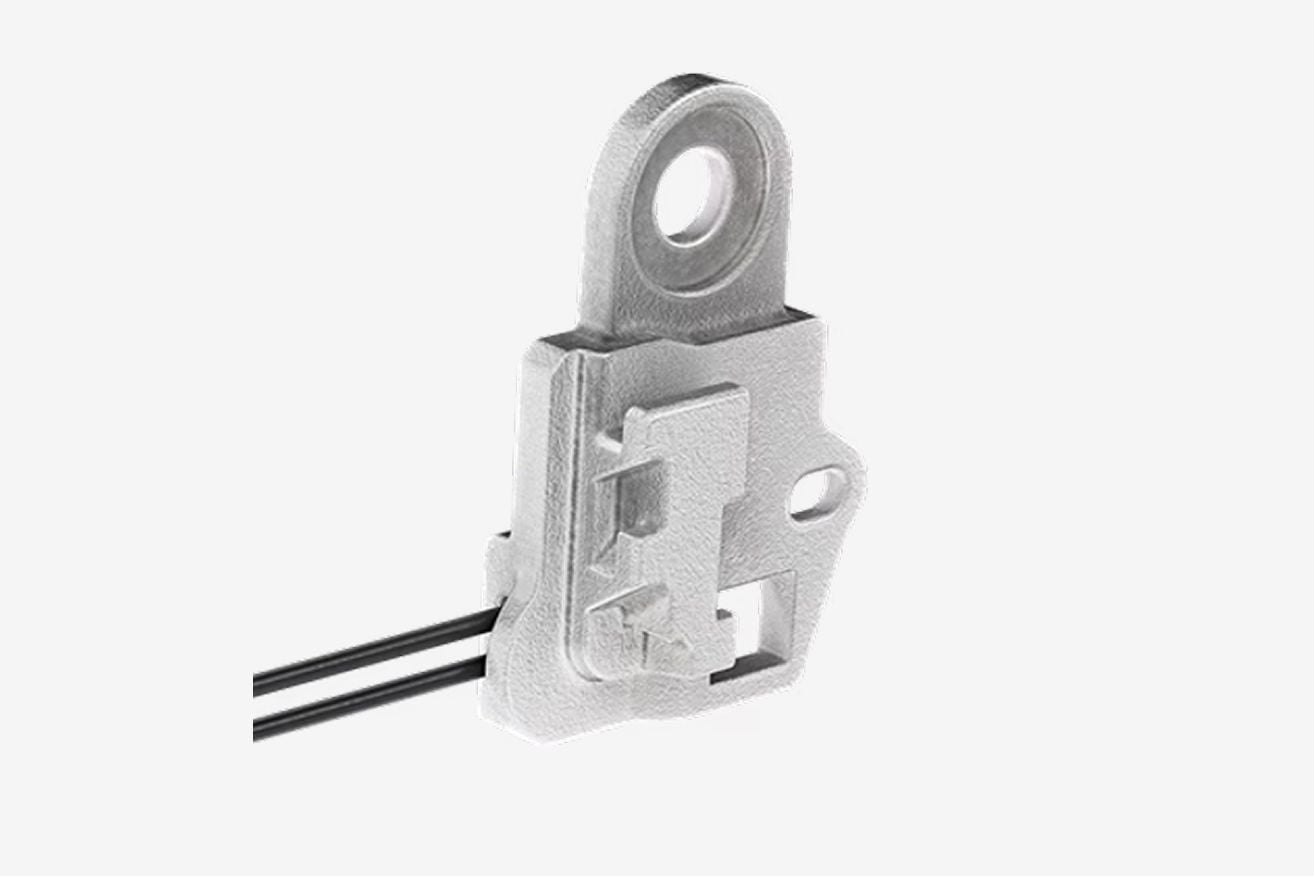
Close-up of the Thule axle mount ezHitch™ cup, a metal component against a plain white background.

ezHitch Cup

Close-up of the Thule axle mount ezHitch™ plate, a metal component against a plain white background.

ezHitch Plate

Check your bicycle’s hub and axle type

Your bike’s rear wheel attachment (hub/axle area) should be one of the three types below. The type determines which adapter – if any – you need.

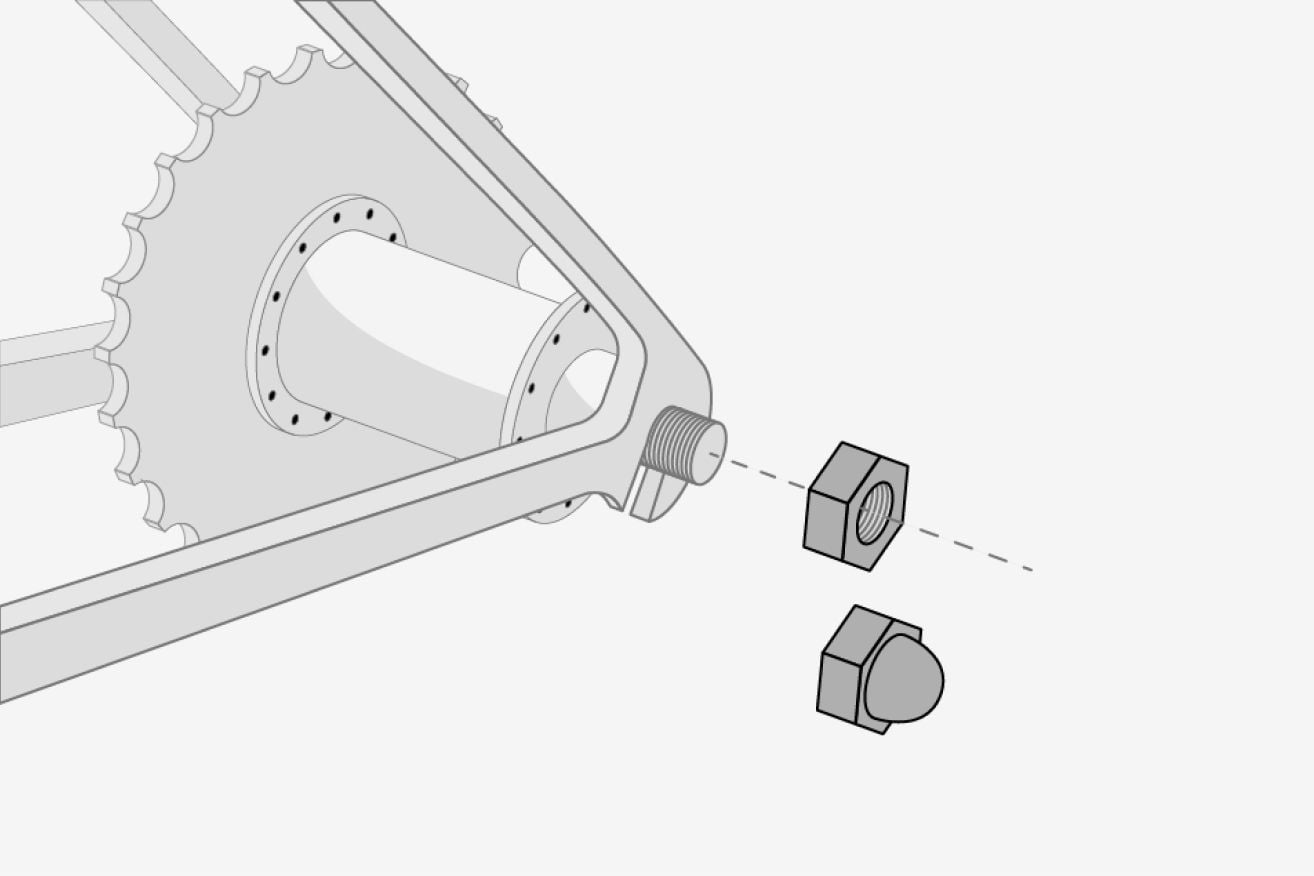
Technical drawing of a bicycle rear hub showing a solid axle setup.

Solid axle

The axle is part of the hub, and the wheel is secured to the frame with a nut on each side. Common on city/commuter bikes, many hub-gear bikes (including many city/trekking e-bikes), and many single-speed/fixie/track bikes.

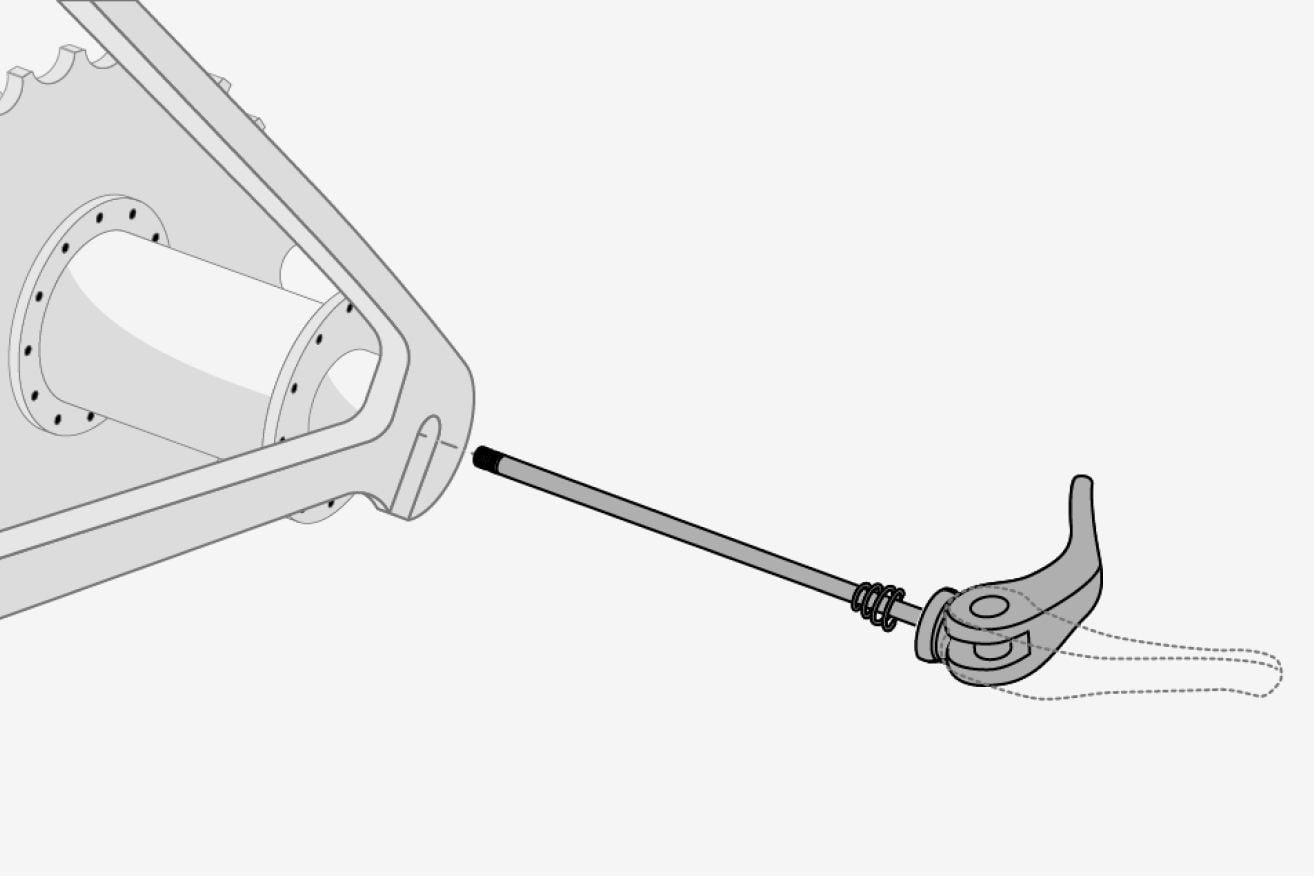
Technical drawing of a bicycle rear hub showing a Quick-release (QR) skewer setup.

Quick-release (QR) skewer

A thin 5 mm skewer passes through a hollow axle and clamps the wheel with a lever. Most commonly seen on older road bikes and older/lower-cost mountain bikes.

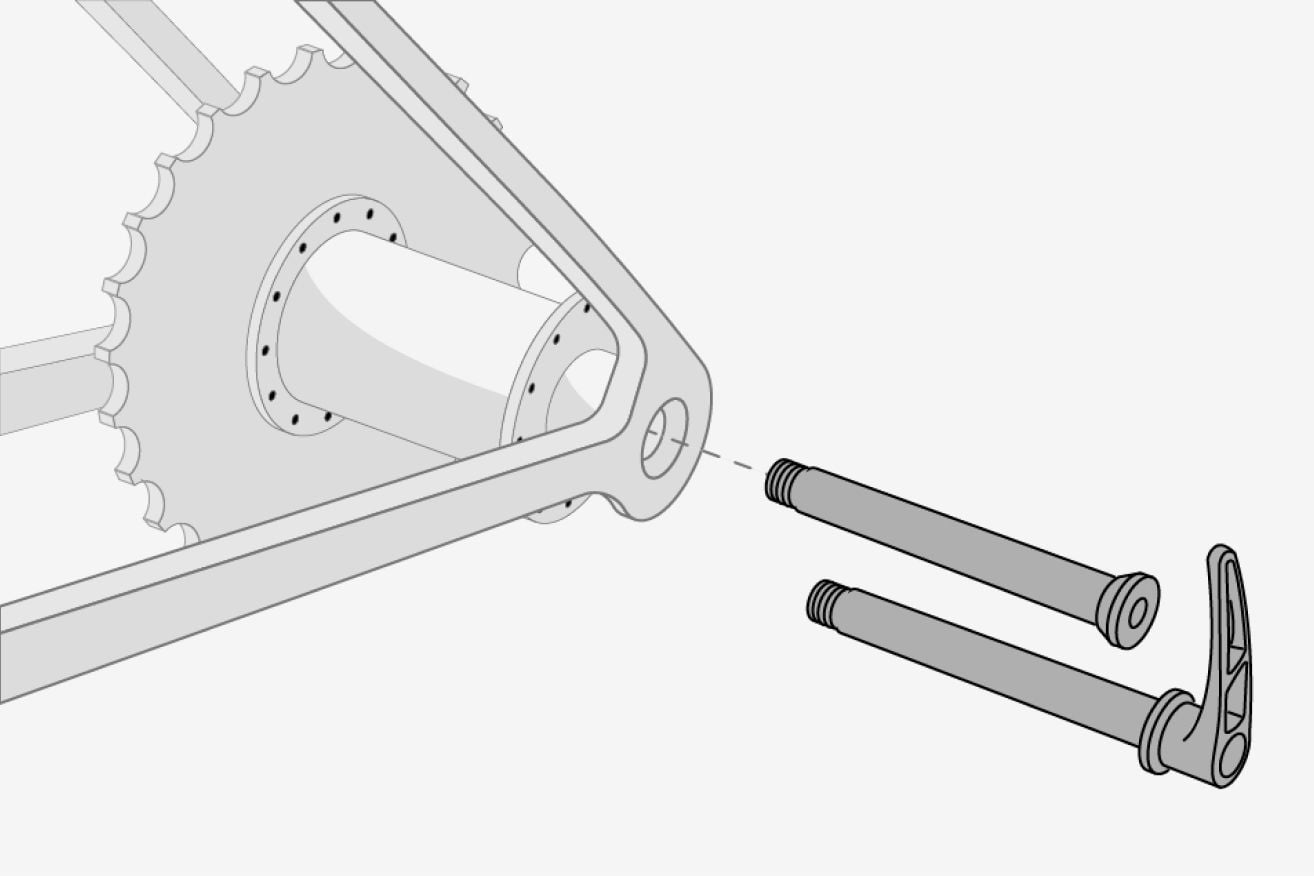
Technical drawing of a bicycle rear hub showing a thru axle setup.

Thru axle

A 12 mm rear axle passes through the frame and hub and threads into the frame. It may have an integrated lever or require an Allen key. Common on most modern mountain bikes and most disc-brake road or gravel bikes.

Note: Bikes with horizontal dropouts (for solid axles or QR skewers) may not provide a secure attachment for a trailer. We recommend using a different bike.


Solid axle

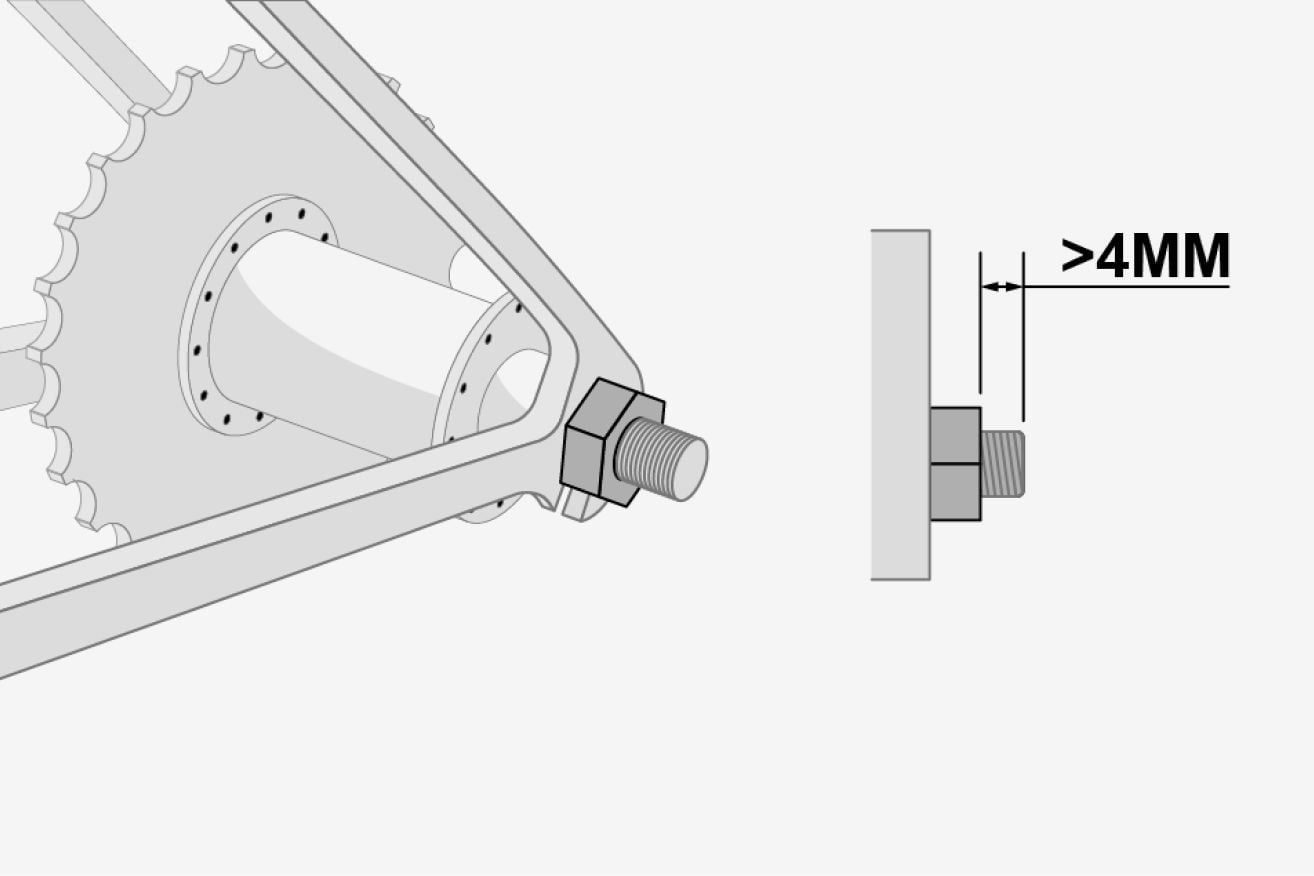
First, check whether you already have enough axle thread to mount the connector plate without an adapter.

Technical drawing of a bicycle rear hub showing how much clearance you need on a solid axle thread to mount a bike trailer connector plate with a regular hexagonal nut.

Regular nut

1. Measure how much axle thread protrudes past the nut.

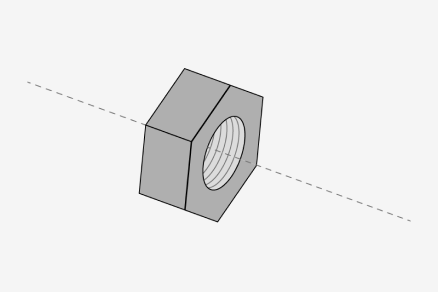
A simple technical drawing of a hexagonal nut with an internal thread.
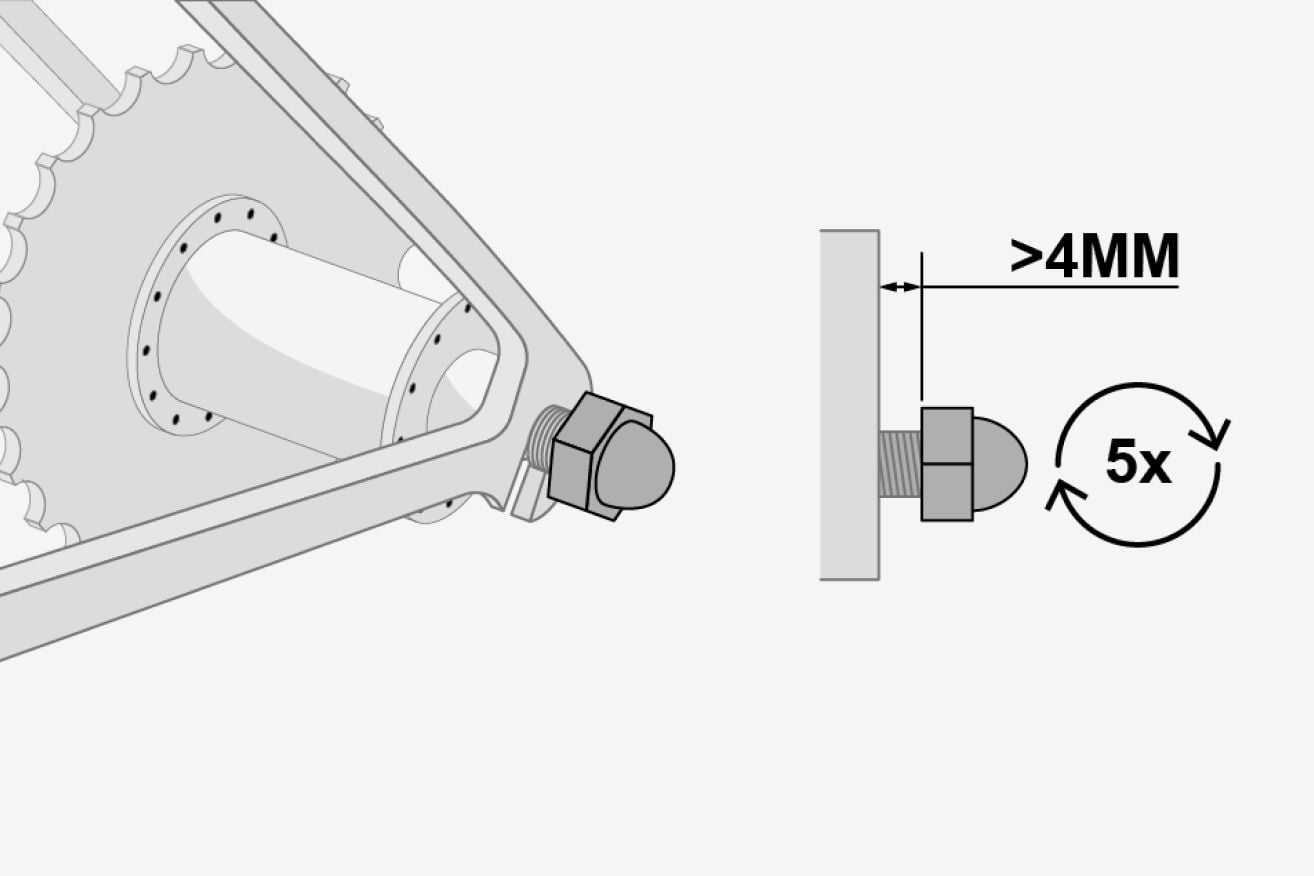
Technical drawing of a bicycle rear hub showing how much clearance you need on a solid axle thread to mount a bike trailer connector plate with an acorn nut.

Acorn nut

1. Remove the nut completely
2. Reinstall it and tighten it 5 full turns
3. Measure the remaining gap

If you have at least 4 mm of usable thread and the axle is maximum 10 mm in diameter, the connector plate can be mounted directly. If you do not have enough thread you need a Thule internal hub hitch adapter

On some bikes, an internal hub hitch adapter may also be useful to prevent the kickstand from interfering with your bike trailer connection.

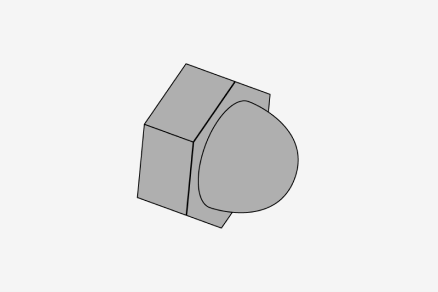
A simple technical drawing of a acorn nut.

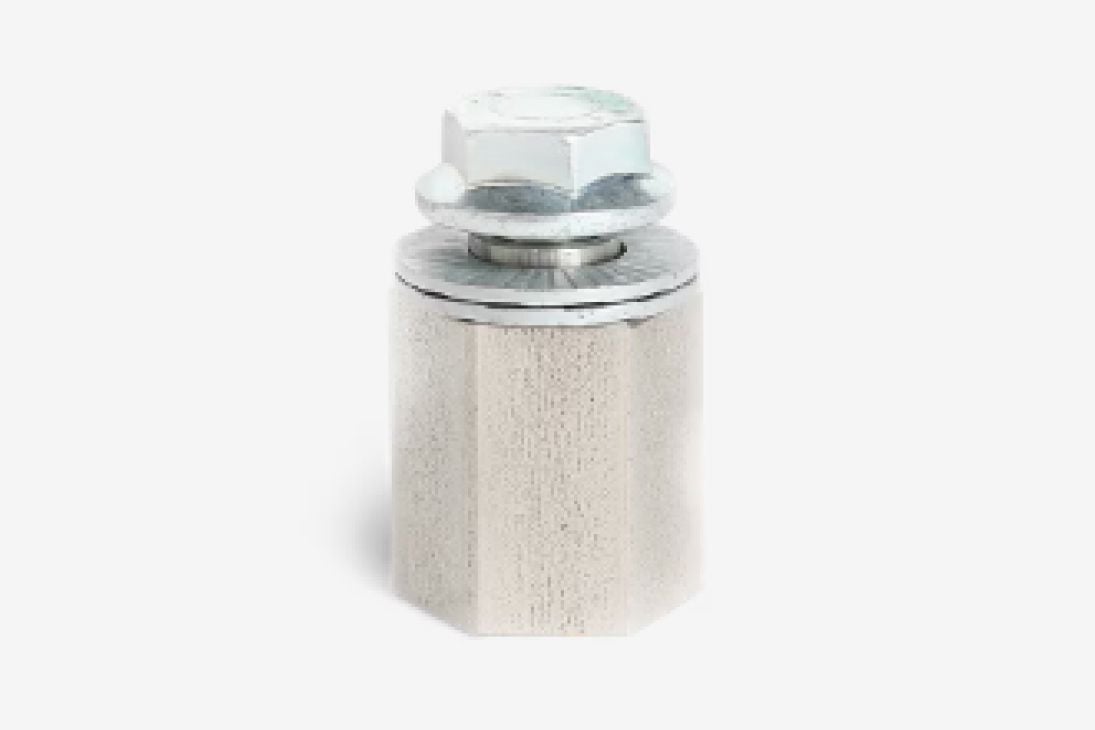
Internal hub hitch adapter

An internal hub adapter replaces the axle nut and provides dedicated space for the connector plate. These come in four different dimensions and to choose the correct one, you need to identify your axle diameter and thread size in one of three ways:

  1. Check the specification of your bike

    Look for a thread specification, corresponding to one in the table below
  2. Check your bike’s hub manufacturer/mode

    Match your hub to the Typical Hubs listed in the table below, but note that this isn’t 100% reliable, as there are many exceptions to the rule.
  3. Consult a bike shop

    If uncertain, bring your bike to a bike shop and they will be able to tell you what you have.

Close-up of the Thule internal hub hitch adapter against a plain white background.
Thread Typical Hubs Adapter
3/8″-26 TPI Shimano Nexus hubs and older city bikes 20100797 – Thule internal hub hitch adapter for Shimano
M10 × 1 Many non-Shimano hubs, including some SRAM, threaded Rohloff, and others 20100798 – Thule internal hub hitch adapter for SRAM
M10.5 × 1 Older Sachs/SRAM Spectro hubs 20110722 – Thule internal hub hitch adapter for Spectro
M12 × 1.25 Many hub-motor e-bikes (thread pitch must be verified) 20201528 – Thule internal hub hitch adapter M12 × 1.25

QR Skewer

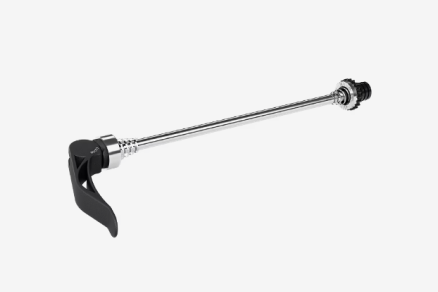
If your bike has a quick-release (QR) axle, you usually don’t need an adapter. Every Thule bike trailer includes a longer QR skewer that provides the extra space required to mount the connector plate.

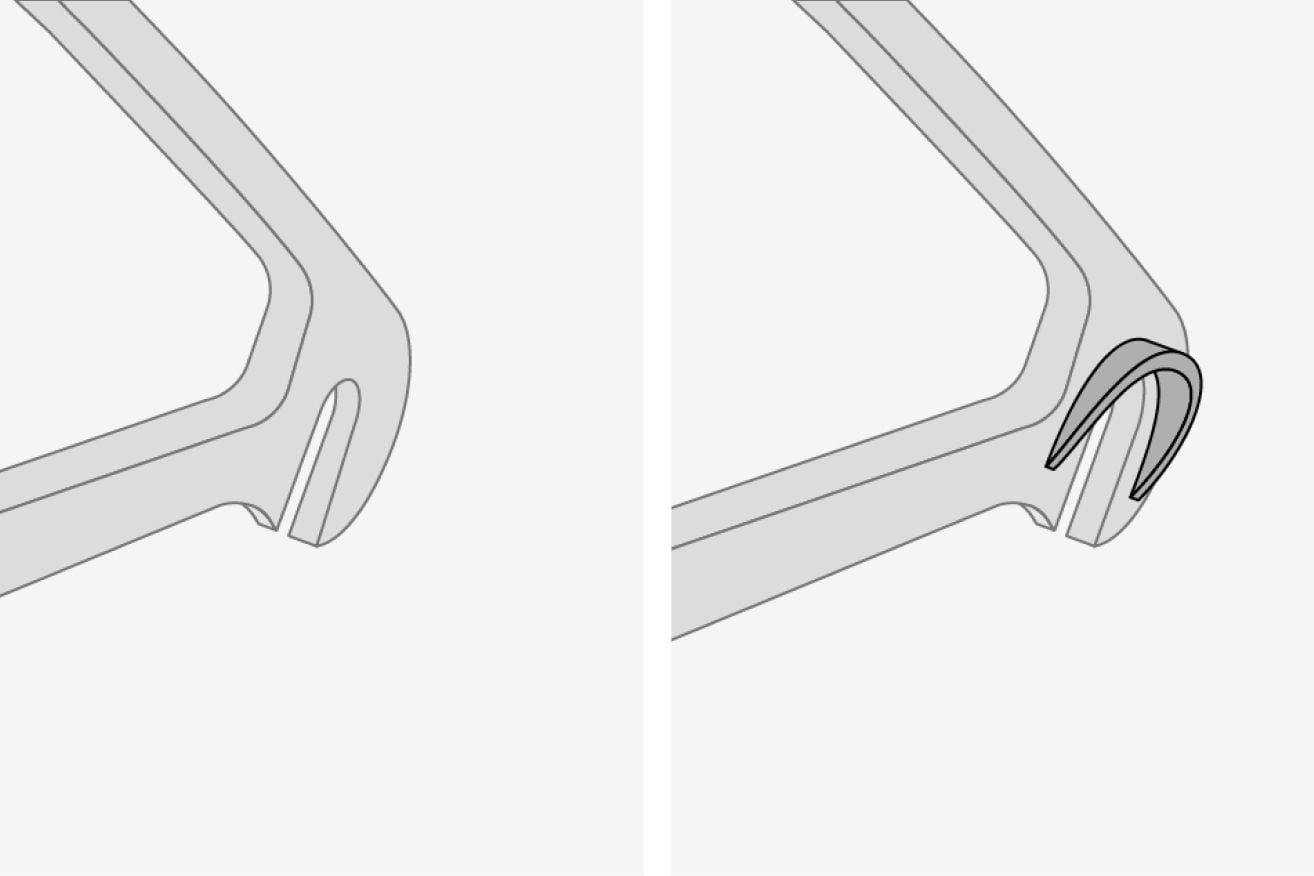
Note that some bikes have hooded dropouts (also called semi-closed dropouts). On these frames, part of the dropout extends outward and covers the axle end area like a small “hood.” This prevents the Thule ezHitchTM connector plate from sitting flat against the frame, which is necessary for a secure installation.

Close-up of a quick-release (QR) skewer against a plain white background.
A side-by-side technical drawing shows a bicycle frame dropout, with the right image showing a hooded dropout opening.

Hooded dropouts

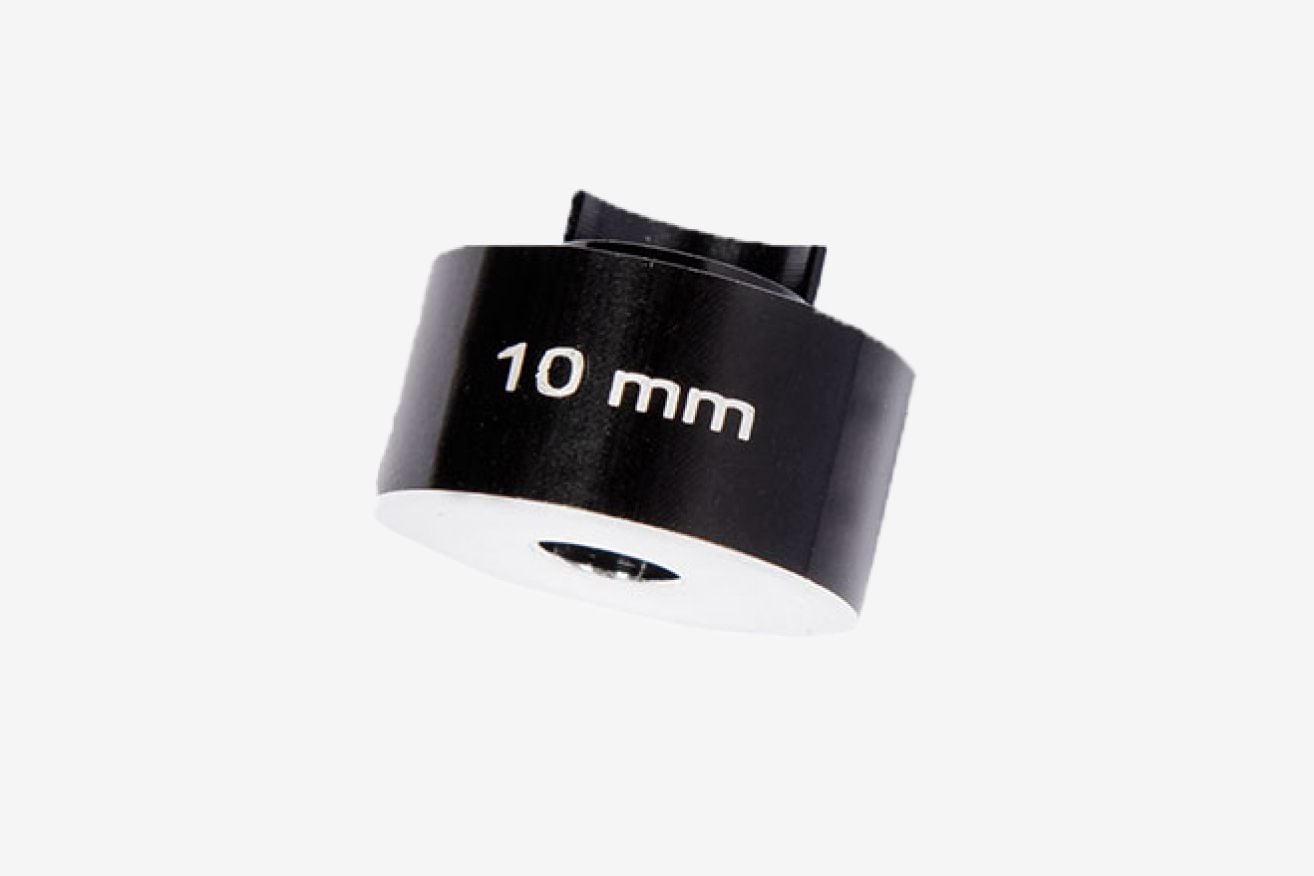
If your bike has hooded dropouts, you may need a Thule 3D drop adapter. This spacer moves the connector plate outward so it can clear the hood and sit flush against the frame.

Close-up of a Thule 3D drop adapter against a plain white background.

Thru axle

If your bike has a thru axle, you will need to replace it with a Thule thru axle that provides dedicated space for the ezHitchTM connector plate. Most modern bikes use a 12 mm rear thru axle. If your axle has a different diameter, please contact customer support and consider using a different bike.

Thru axles vary in length, thread pitch, and head shape, so selecting the correct replacement requires identifying these three characteristics.

Technical drawing of a bicycle rear hub showing how much clearance you need on a solid axle thread to mount a bike trailer connector plate with a regular hexagonal nut.

1. Identify the head shape

Thru axles typically have either a flat head, or a conical (tapered) head.

A technical drawing shows a thru axle and two different head types: flat head and conical (tapered) head.

2. Identify the thread pitch

Thread pitch describes how tightly the threads are spaced and must match your frame exactly.
You can identify it in two ways:

  1. Check the specification of your bike or look for printed info on the axle. Look for a thread specification, such as M12 x 1.5
  2. Use a print-out of the Thule thru axle fit guide
Print this document at 1:1 scale and compare your axle threads to the illustrations

Once you’ve verified the 12 mm diameter and checked the head shape, thread pitch, and length, you can select the correct Thule thru axle from the Thule thru axle fit guide. If none of the options seem to match your measurements, please contact customer support for guidance.

A technical drawing shows a thruacle with two different head shapes, alongside a measuring tool indicating how to measure dimensions.

3. Measure the axle length

The most reliable way to determine the length is to remove the axle and measure it.

Some axles or frames have dimensions printed on them, but these markings do not always represent the actual axle length. Measuring the axle directly ensures accuracy. Measure according to the head type, as shown in the illustration below.


Ready to Ride 

You should now have identified the best way to connect your Thule bike trailer to your bike. Always follow our recommendations to ensure a safe ride for both you and your passengers.

If you are unsure about any step, please contact our customer support team or your local bike dealer for assistance. Bicycle designs continue to evolve, and new hub and axle standards are introduced regularly. If none of our current solutions match your setup, let our customer support know so we can consider expanding our adapter range over time.

If you plan to switch the trailer between multiple bikes, you can purchase additional connector plates or cups and repeat the adapter selection process for each bike. Good luck and enjoy your ride!


Overview

This table shows all Thule adapters and accessories.

SKU Product Name Hub and Axle Type Thread Size Length
20110722 Thule Internal Hub Hitch Adapter Solid axle M10.5 × 1
20000798 Thule Internal Hub Hitch Adapter Solid axle M10 × 1
20201528 Thule Internal Hub Hitch Adapter Solid axle M12 × 1.25
20100797 Thule Internal Hub Hitch Adapter Solid axle 3/8-26
20110800 Thule Thru Axle Thru axle M12 × 1 161–167 (flat), 155–161 (coned)
20110804 Thule Thru Axle Thru axle M12 × 1 163–172 (flat), 157–166 (coned)
20110811 Thule Thru Axle Thru axle M12 × 1 175–184 (flat), 169–178 (coned)
20110808 Thule Thru Axle Thru axle M12 × 1 229 (flat), 217 (coned)
20110801 Thule Thru Axle Thru axle M12 × 1.5 159–165
20110805 Thule Thru Axle Thru axle M12 × 1.5 169–178
20110806 Thule Thru Axle Thru axle M12 × 1.5 209
20110809 Thule Thru Axle Thru axle M12 × 1.5 229
20110802 Thule Thru Axle Thru axle M12 × 1.75 167–180
20110803 Thule Thru Axle Thru axle M12 × 1.75 185–198
20110807 Thule Thru Axle Thru axle M12 × 1.75 209
20110810 Thule Thru Axle Thru axle M12 × 1.75 217–229
20110723 Thule 3D Drop Adapter QR skewer

Explore