• Free shipping on rooftop tents, cargo boxes and orders over $229. See details.
A dark car with a rooftop cargo box driving along a road.

Will a roof box fit my car?

Roof boxes come in a wide range of sizes and shapes. Understanding the differences between them will help you identify which style best suits your needs, whether it’s for active holidays or for added space and convenience in daily life. With modern mounting systems, finding a box that fits your specific vehicle is easier than ever.

The Scandinavian sizing standard

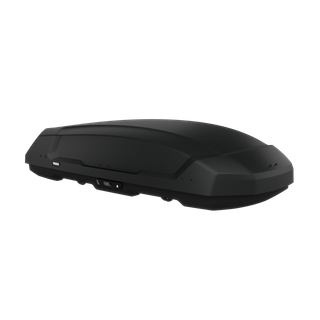
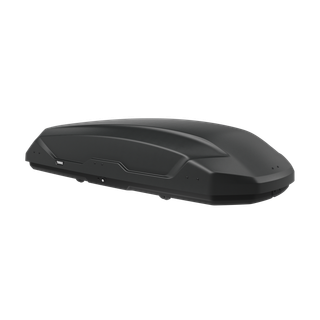
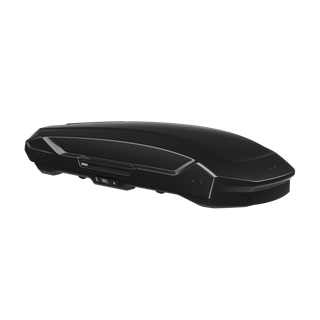
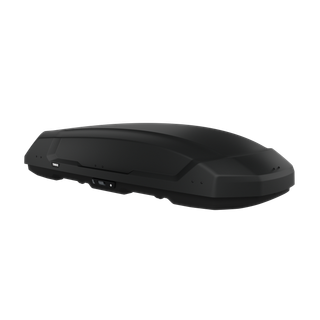
Standard roof box sizes range from Small (S) to XXL, supporting various lifestyles and storage needs. With many different options to choose from, it can be a little hard to know what actually works for you. While they might sound big, XL and XXL are actually the most common sizes for roof boxes, offering flexible storing solutions for multiple occasions.

Quick guide to standard roof box sizes:

  • S-M: The smaller cargo boxes suits couples and carries duffle bags, smaller camping equipment or everyday items like groceries and household essentials.
  • L: The entry-level size for winter sports fans or smaller families. It fits snowboards and pairs of skis up to 175 cm (≈69 in), outdoor gear or strollers.
  • XL: The go-to option for the active family. It accommodates larger outdoor equipment, camping gear, strollers or skis up to 200 cm (≈79 in).
  • XXL: The largest option works great for friend groups or big, adventurous families. It carries oversized luggage, sporting equipment up to 215 cm (≈85 in) or items from large grocery trips or home store visits.

Style variations to consider

Aside of the standard sizes, some roof boxes offer specific style alternatives including “Low” and “Sport”:

  • Low: A sleeker variant that sits lower on the car. This improves aerodynamics and reduces your overall height, especially useful for low-clearance garages.
  • Sport: A narrower style that mounts specifically to one of the sides of your roof racks. This offers up extra room on your roof for other equipment like bikes or kayaks.

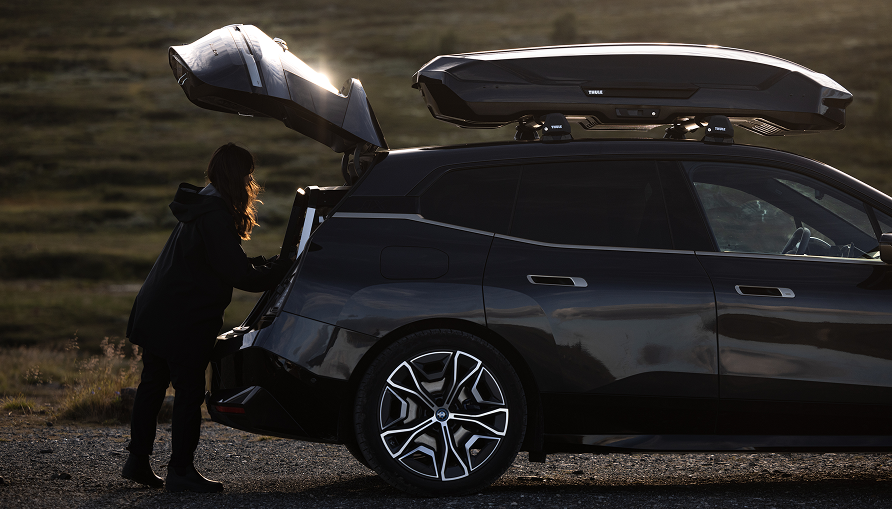
A person loading items into an open car equipped with a rooftop cargo box.

Measurements and fit guide

When researching roof boxes, one of the most common technical considerations you’ll encounter is “hatch clearance” and whether the trunk will fully open with a roof box mounted.

What is hatch clearance?

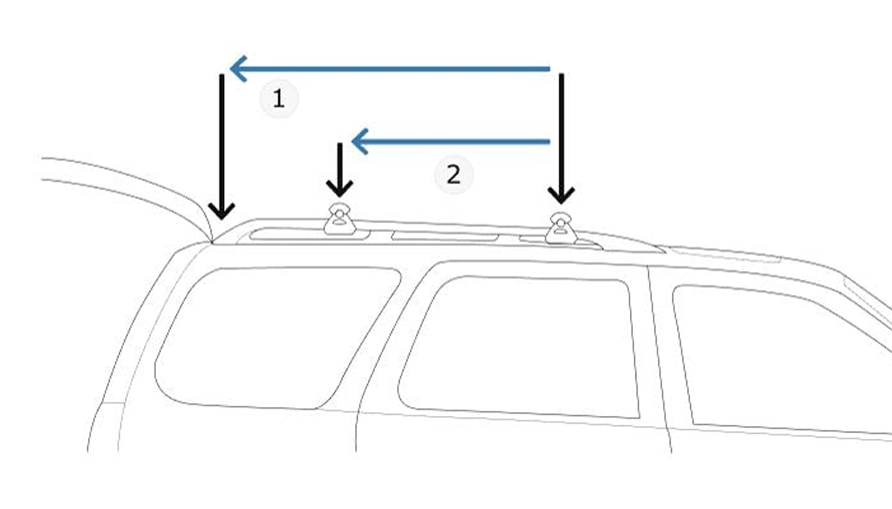
Hatch clearance is the measurement between the center of your vehicle's front roof rack bar and the point where the trunk hatch meets the roof when fully opened. This distance determines if a roof box can be mounted without causing contact between the trunk and the cargo box.

Measuring the distance between the front and and of the car roof.

Measuring hatch distance

1. Calculate hatch distance:
  • Open your trunk door completely.
  • Measure the distance from the center of your vehicle's front roof rack to the point where the roof meets the open hatch.
  • Check the product manual for the minimum required hatch distance. If your measured distance exceeds the value specified for the cargo box it will fit your vehicle. For Thule products, this value is called “R-min.”
2. Bar spread:
  • Measure the distance between your roof rack crossbars, this is the bar spread. If your bar spread is the right size according to the roof box’s user manual, then you’ll have full access to the trunk.

Measuring hatch distance

If your car isn’t already equipped with roof racks, there is an alternative way to estimate your hatch clearance using the B-pillar (the vertical pillar between your front and rear doors):

  • B-pillar distance: Most roof rack systems position the front crossbar near the top of the B-pillar. Measure from this point back to the open hatch and compare with the front clearance distance to get a rough estimate for which box sizes that could fit.

The Thule Fit Assistant

If you’re unsure which roof box that fits your car, you can use the Thule roof box fit assistant to find a suitable solution for your specific vehicle.


Positioning your cargo box

Properly installing and mounting your roof box is important both for keeping your product safe and ensuring a quiet, fuel-efficient drive.

Avoiding overhang

Positioning your cargo box too far forward can affect aerodynamics and generate unnecessary noise. While a little overhang is fine, make sure it does not obstruct visibility of the driver. Too much overhang also allows wind to get under the cargo box, causing vibrations and putting unnecessary pressure on the front rack. The increased resistance also affects your fuel efficiency.

Hatch interference

If your cargo box is positioned too far back, it can affect hatch clearance so the trunk won’t open, or cause damage to the box or car. Find the sweet spot where the box is as far back as possible without touching the open hatch. This keeps the weight centered over the roof's strongest support points.

Product alignment

Roof boxes are carefully designed with aerodynamics and safety in mind. Before starting your journey, make sure your roof box is facing forward and mounted straight.


Explore