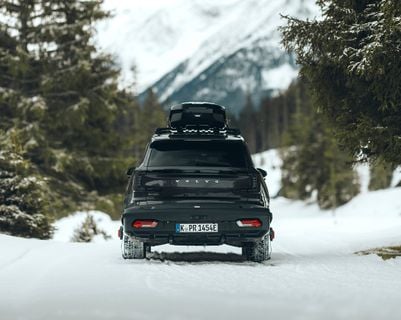
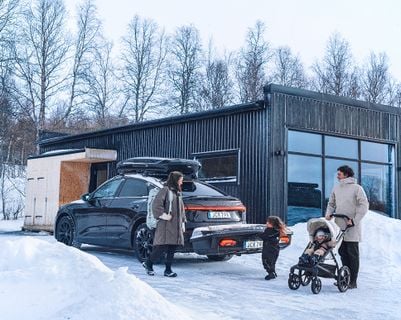
A grey SUV with a roof box parked on rocky terrain, while a person stands beside the vehicle carrying two large duffel bags.

How to pack safely with a roof box

A roof box is the perfect companion for any adventure, providing extra space for bulky gear while keeping your vehicle’s interior organized and comfortable. Whether you’re a frequent traveller or running daily errands, understanding how to pack your cargo box ensures a secure and pleasant experience.

How much weight can I load?

Packing possibilities vary between different roof box sizes and models, but there are a few guiding principles that you should consider.


Understanding weight limits

Before you start planning your packing, you must account for three specific weight factors to ensure your setup is within safe operating limits: 

  • Vehicle roof load limit: Found in your car’s manual, this is the maximum weight your car’s roof can safely support. Generally, SUVs have higher limits than smaller sedans.
  • Roof rack capacity: Your roof racks have their own maximum weight rating which must not be exceeded.
  • Roof box load limit: Each box model has a specific maximum cargo weight it is engineered to carry. For example, Thule roof boxes have a maximum limit of 75 kg.


Calculating allowed cargo weight

To calculate your maximum allowed cargo you can use this simple formula: 

  • Roof load weight limit - weight of roof racks - weight of roof box = available cargo weight.

Example: If your car’s maximum roof load is 75 kg, your roof racks weigh 5 kg, and your empty cargo box weighs 20 kg, you have 50 kg available for your actual gear.


Understanding dynamic and static weight limits

  • Dynamic weight: The recommended limit for when the vehicle is in motion. This figure is found in your vehicle manual.
  • Static weight: The total capacity your vehicle can support when parked.

Dynamic limits are lower because of pressure and force a vehicle must withstand from road bumps, braking and acceleration. Static weight limits become important for products used when the vehicle is parked, such as roof tents.

Always use the dynamic weight limit as your guide when planning your packing.


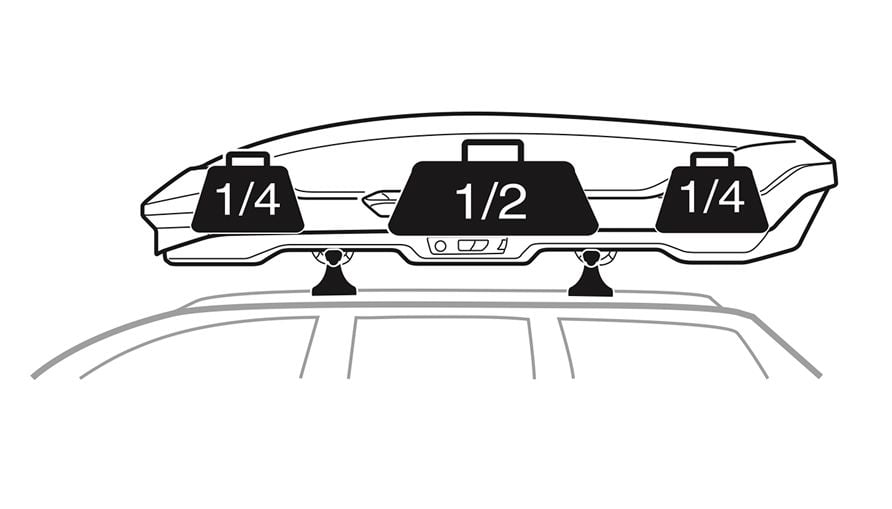
The ¼, ½, ¼ rule for packing

Properly distributing your gear inside the box is essential for maintaining stable and predictable vehicle handling. Aim for a ¼, ½, ¼ ratio, where 50% of the weight is centered between the roof racks, and the remaining 25% portions are placed in the front and rear of the cargo box.

In general, roof boxes are ideal for bulky yet lighter items such as skis, sleeping bags, and clothing.

Technical illustration showing a roof box on a vehicle with labeled weight distribution: one‑quarter of the load at the front, one‑half in the center, and one‑quarter at the rear.
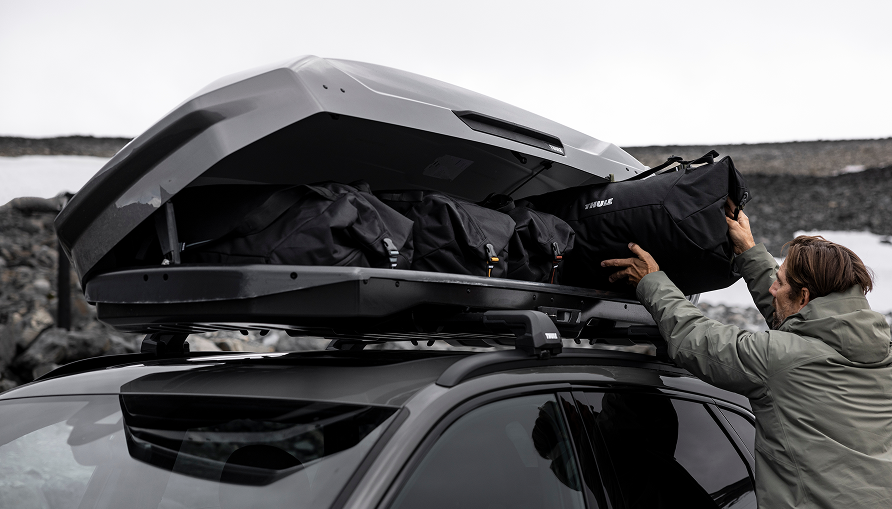
A person loading multiple packed bags into an open roof box mounted on a vehicle, with rocky terrain and patches of snow in the background.

How fast can I drive with a roof box?

While local traffic regulations always take precedence, you shouldn’t exceed the maximum allowed speed recommendation when driving with a roof box, usually 130 km/h.

Keep in mind that adding a cargo solution to your roof could change your vehicle's behavior. Adjust your speed based on total cargo weight, weather conditions (such as high crosswinds), and road quality.


Good to know

A roof box is a great investment that will accompany you for a long time when cared for properly. Here are some tips and best practices to keep in mind.


Height Awareness

Keep in mind that a roof box can increase your vehicle's total height. Always verify clearance and be extra cautious when entering parking garages, car washes, or passing under low-hanging branches.


Mounting

The roof box must be mounted with the front facing the driving direction and positioned parallel to the line of the road. This prevents "lifting forces" and unnecessary vibrations that can affect aerodynamics and safety.

Always ensure your load is properly secured; incorrectly mounted boxes or loose cargo can shift during a journey, affecting your car's stability.


Storage best practices

When not in use, the box should be stored in a dry place out of direct sunlight to preserve the longevity of the materials.


Roof box or rear-mounted cargo carrier?

A roof box is a great way to add a flexible storage solution to your vehicle. If your vehicle doesn’t support rooftop solutions, or if you’re transporting heavier bulky items and don’t want to lift them onto your roof, perhaps a rear-mounted carrier is a better solution.

If you want to understand the different benefits and features of different cargo carriers, explore our guide Comparing rear-mounted cargo carriers and roof boxes.


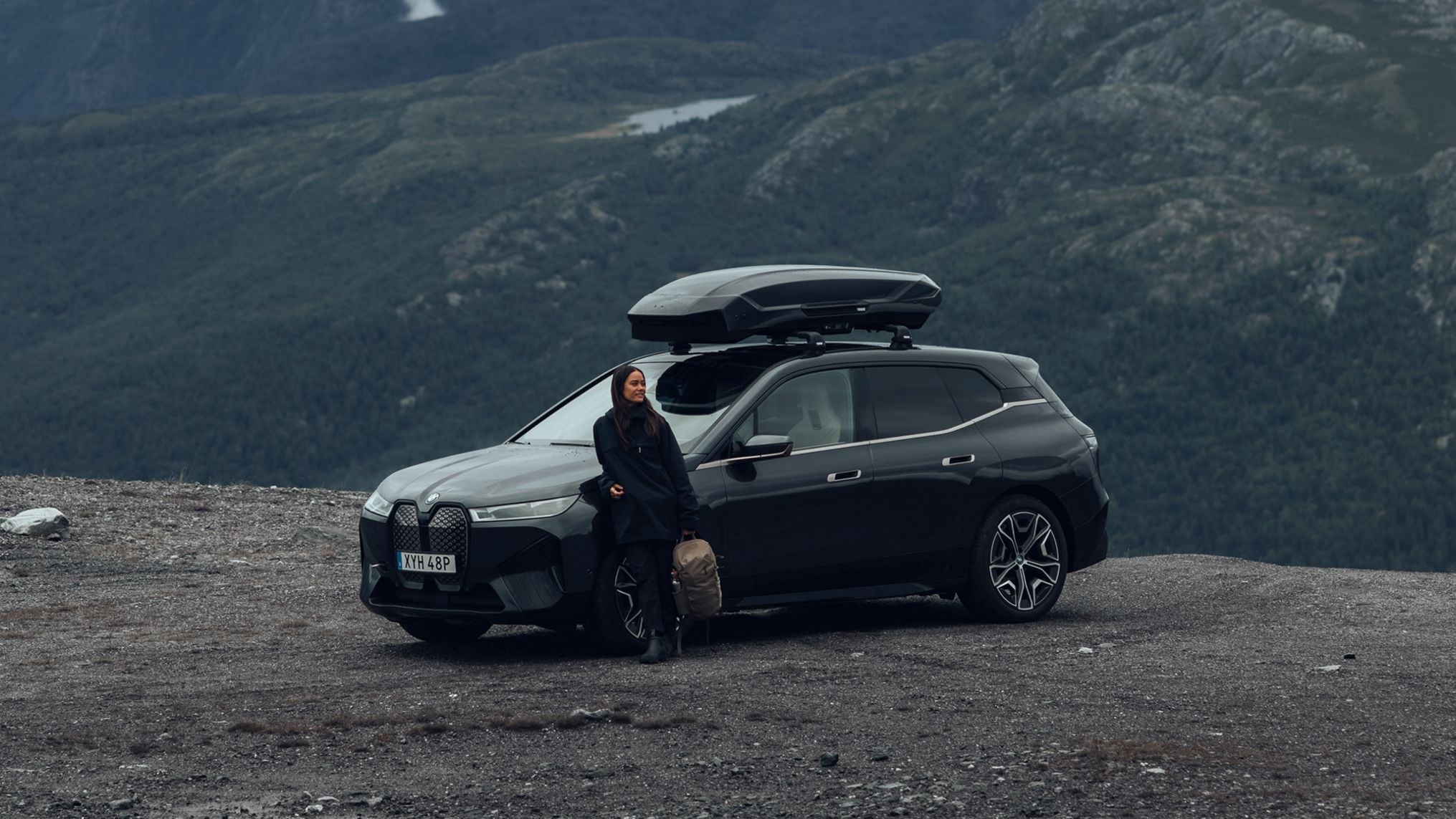
A woman holding a Thule bag leans against a car that has a Thule roofbox mounted on the roof.
This is Thule Motion 3 L roof box on Thule WingBar Edge roof rack on a BMW iX.
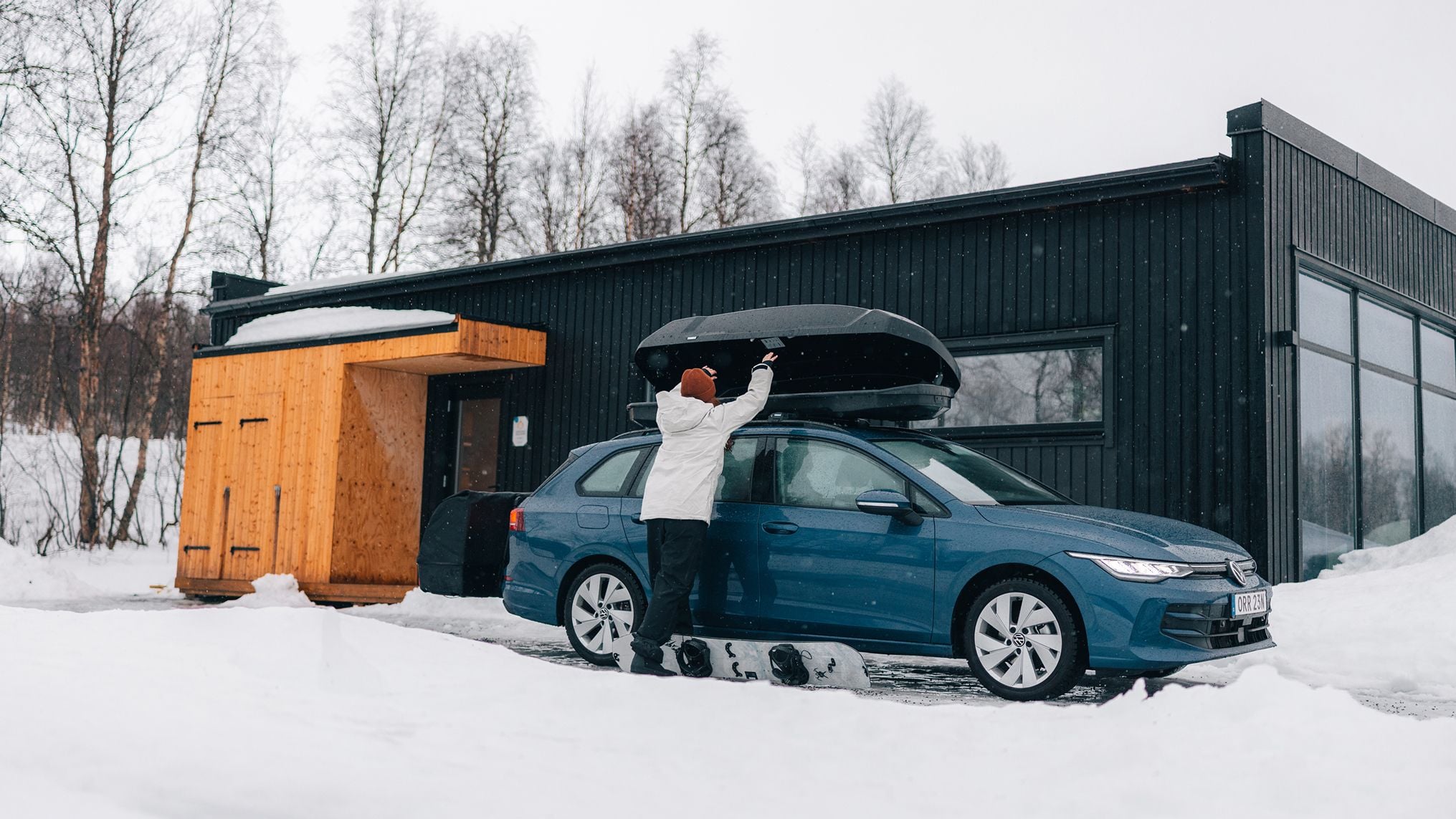
A person with a snowboard at their feet opens a Thule roofbox on top of a car at a home with snow around it.
This is Thule Force 3 L roof box on a Volkswagen Golf Variant.
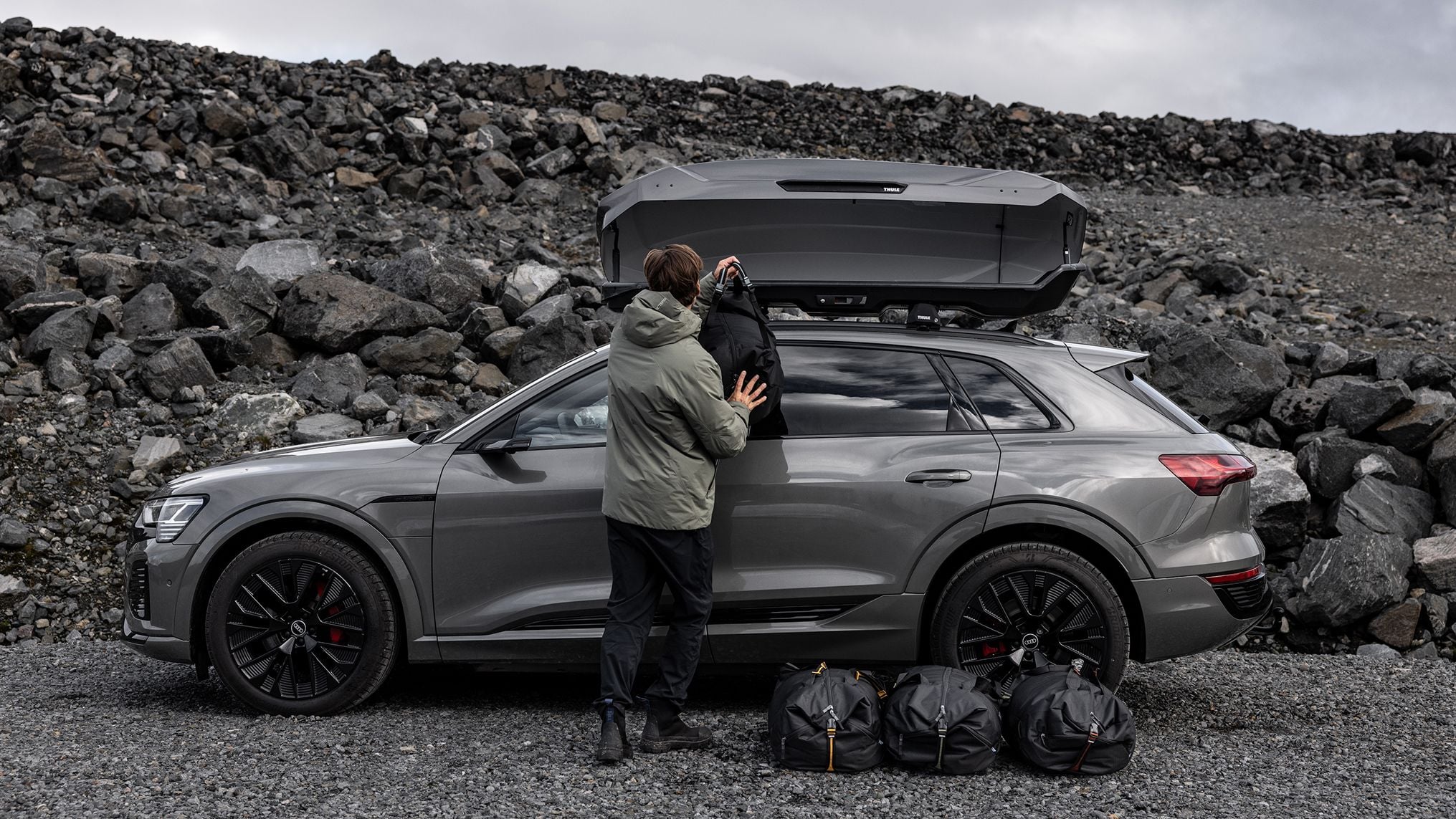
A man loads Thule GoPack bags into a Thule roofbox mounted on a car with a rocky hillside in the background.
This is Thule Motion 3 L roof box on a Thule WingBar Edge roof rack on an Audi Q8.
Explore