• Free shipping on rooftop tents, cargo boxes and orders over $229. See details.
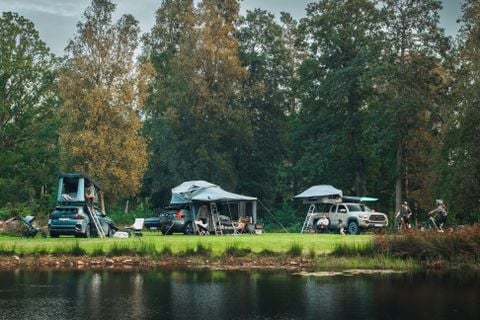
Thule rooftop tent set up by the water at sunset

Hardshell versus Softshell

Choosing between a hardshell and a softshell rooftop tent is one of the most important decisions when planning your rooftop camping setup. Both options offer comfortable sleeping space and easy access to the outdoors, but they are designed for different travel styles, priorities and vehicles.

This guide explains the key differences between hardshell and softshell rooftop tents, helping you understand which option aligns best with how you travel and camp.
Understanding the two rooftop tent designs

Rooftop tents generally fall into two main categories. Hardshell and softshell. While both mount to roof racks and provide an elevated sleeping area, their construction and use experience differ in meaningful ways.

The right choice depends on how often you travel, how quickly you want to set up camp and how much space and flexibility you need.

Softshell rooftop tents

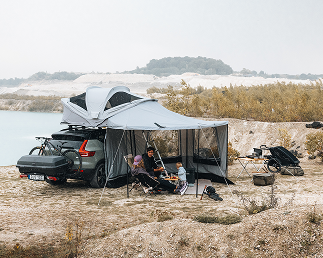
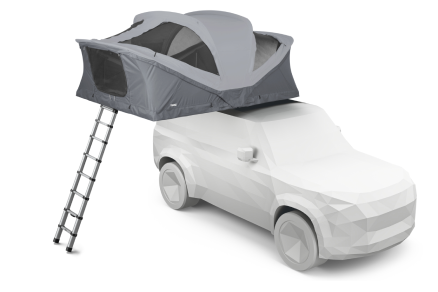
Softshell rooftop tents use a fabric-based design that folds open to create a spacious sleeping area. They are a popular choice for campers who value interior room and versatility.

Key characteristics
Softshell tents typically offer a larger sleeping footprint when deployed. The fold-out design allows for generous interior space, making them well suited for couples, families or longer stays at camp.

Because of their construction, softshell tents often provide more flexibility in terms of sleeping arrangements and interior layout.

Benefits of softshell rooftop tents

Softshell rooftop tents are a strong choice if you prioritise:

  • More interior space for sleeping and moving around
  • A comfortable setup for longer trips or extended stays
  • Flexibility for different travel styles and group sizes

They are particularly popular for road trips where the tent stays set up for several nights in one location.

Considerations
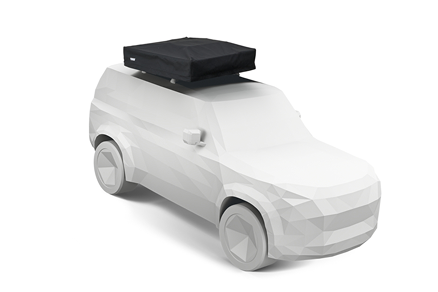
Softshell tents generally take slightly longer to set up and pack away compared to hardshell designs. Their folded size can also be larger when closed, which may affect aerodynamics and overall vehicle height.

Illustration of a car with a softshell rooftop tent mounted on a car rooftop
Illustration of a car with a softshell rooftop tent mounted on a car rooftop that's not opened

Hardshell rooftop tents

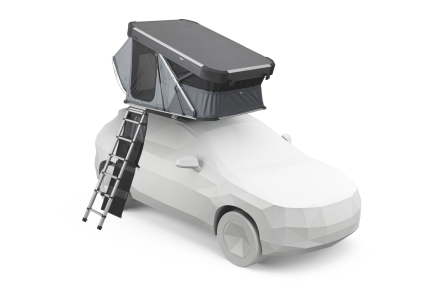
Hardshell rooftop tents feature a rigid outer shell that opens to reveal the sleeping area. They are designed with efficiency, speed and durability in mind. Key characteristics.

Hardshell tents are known for their quick setup. Many open in a matter of moments, making them ideal for frequent stops or shorter overnight stays.

The rigid shell also provides added protection against the elements when the tent is closed and contributes to a streamlined profile while driving.

Benefits of hardshell rooftop tents

Hardshell rooftop tents are well suited for travellers who value:

  • Fast and simple setup and pack-down
  • A compact and aerodynamic design
  • Frequent travel with regular overnight stops

They are often chosen by solo travellers or couples who move locations often and want a hassle-free camping routine.

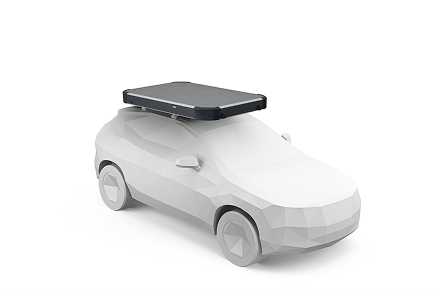
Illustration of a car with a hardshell rooftop tent mounted on a car rooftop
Illustration of a car with a hardshell rooftop tent mounted on a car rooftop that's not opened

How to choose between hardshell and softshell

When deciding between the two designs, it helps to think about how you plan to use your rooftop tent rather than focusing on specifications alone.

Setup time and travel rhythm
If you move campsites frequently or stop for single nights, a hardshell tent’s quick setup can make a noticeable difference. If you tend to stay in one place for several nights, the extra setup time of a softshell tent may feel less important.

Space and comfort
For campers who value interior space, softshell tents offer a more open sleeping area. Hardshell tents focus on efficiency and ease of use, which can be ideal if sleeping space requirements are more modest.

Vehicle and roof rack considerations
Tent design also affects weight and profile. Some hardshell tents are lighter and more compact when closed, which can be beneficial for smaller vehicles. Softshell tents may require roof racks with higher load ratings due to their size and weight. If you are still evaluating your setup, understanding whether a rooftop tent fits your car is an important step before choosing between different tent designs.

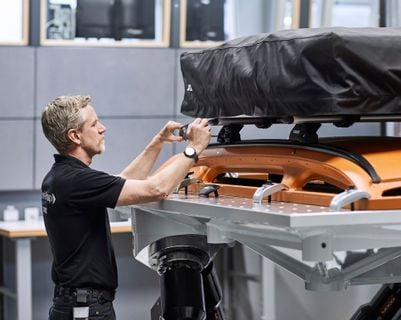
Person setting up a Thule rooftop tent on a car

Explore