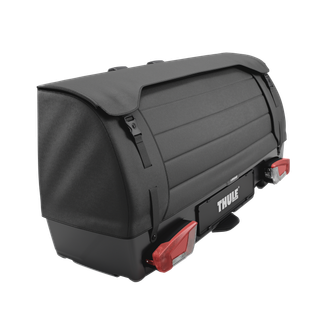
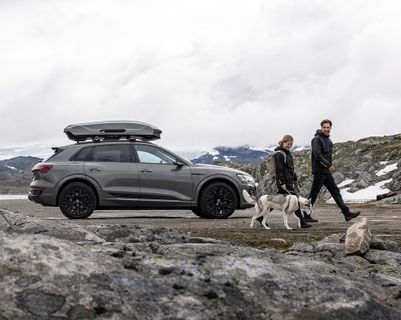
A car fitted with a rear-mounted cargo carrier is parked, while a person pushes a stroller beside the vehicle and two dogs run ahead.

Will a towbar cargo carrier fit my car?

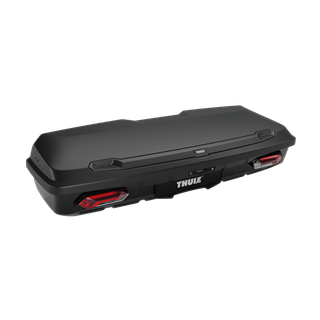
Mounted on a platform directly onto your vehicle's towbar, rear-mounted cargo carriers offer ergonomic handling with easier loading at waist height and improved aerodynamics. When deciding on a cargo carrier, consider your vehicle’s capabilities, including sizes and trunk access, to ensure a perfect fit.

Towbar considerations

The most important hardware factor when choosing a rear-mounted cargo carrier is your towbar. Most rear-mounted cargo carriers will attach to a towbar with a 50 mm tow ball.

Common types of towbars

  • Fixed tow ball (50 mm): The most widespread design. The ball is permanently attached and compatible with rear‑mounted platforms.
  • Detachable tow ball: The ball can be removed when not in use for a clean look or to avoid parking sensors. Compatible with standard 50 mm tow‑ball clamp systems.
  • Swan neck tow bar: A slim, curved, one‑piece neck with integrated 50 mm ball. Common on modern passenger cars and fully compatible with clamp‑type platforms.

Read more about weight considerations and cargo load in our article “How to pack with a towbar cargo carrier”.

Tow ball maintenance

For a safe and secure fit, the tow ball must be in good condition and correctly prepared before mounting the rear‑mounted cargo carrier.

  • Keep the tow ball clean and dry: With a damp cloth, carefully remove any oil, dirt, ice, or road salt before attaching the cargo carrier platform.
  • Never lubricate the contact surfaces: Do not apply grease, oil, or spray lubricant to the tow ball or to the clamping surfaces of the carrier. Lubrication reduces friction and can cause the carrier to move or slip.
  • Inspect before use: Before loading the carrier, make sure the tow ball and coupling are properly engaged and locked.

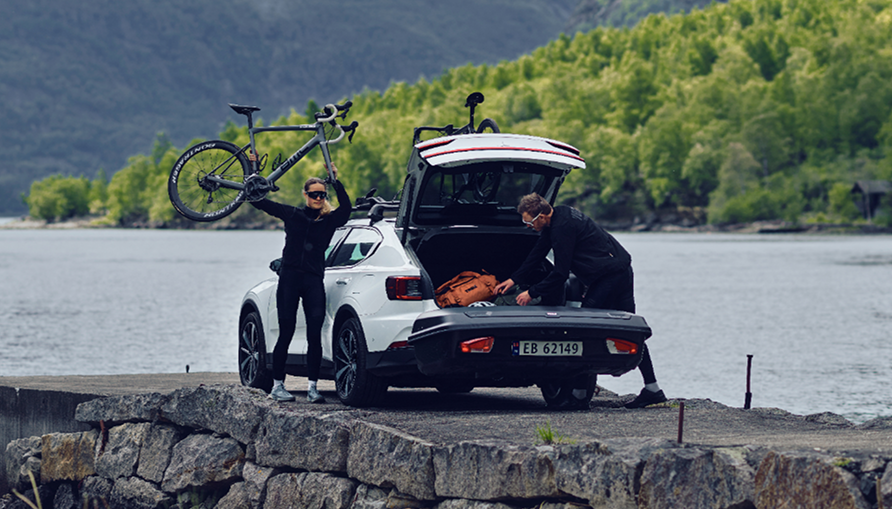
A car fitted with a rear-mounted cargo carrier. One person is unloading a bicycle from the roof and another is accessing the open trunk.

Can I open the trunk with a towbar cargo carrier?

Rear-mounted cargo carriers are designed with convenience and accessibility in mind. Depending on the platform, they either sit low enough behind the vehicle or offer a tilting mode (or both), creating a comfortable space between your vehicle and the cargo carrier.

Platform considerations

There are a few different options when it comes to platforms, allowing you to find the perfect solution for you.

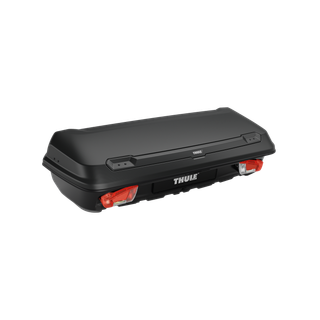
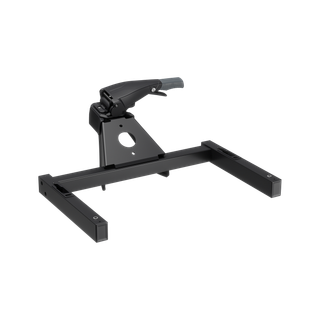
  • Dedicated platforms: Designed for a specific cargo box. Available in static or tiltable versions.
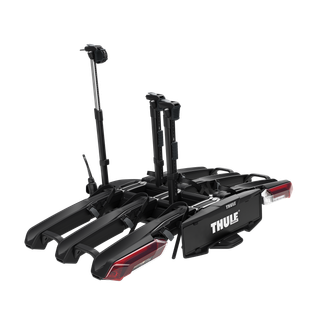
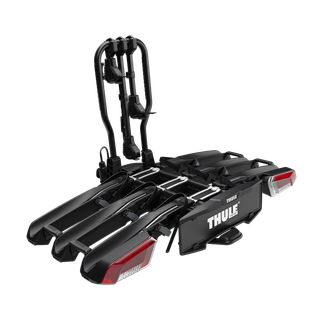
  • Carrier platforms: Specialized platforms (like bike carriers) that allow a cargo box to be mounted on top. These are usually tiltable.
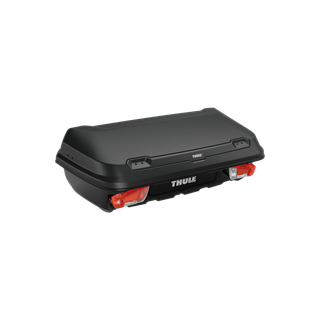
  • Integrated platforms: Offers mounting system and cargo box in a single, cohesive unit.

Typical non-fits:

A towbar cargo carrier may not allow fully compatible with vehicles that have:

  • Side hinged doors (“Barn doors”),
  • vans with top hinged tailgates,
  • low rear door spare wheel,
  • fold-down door.

Size and style considerations

Rear-mounted cargo carriers come in variety of options. Which size that suits you is primarily determined by your specific needs and the cargo you usually carry.

Sizes:

  • Standard sizes: Ranges from M to XL, these are the most versatile styles and accommodate a wide variety of cargo.

Styles:

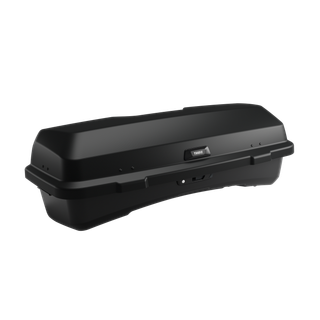
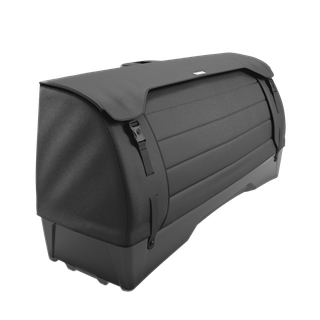
  • Hard-shell: Hard-shell cargo carriers are made in a durable and high-performance plastic that protects your load from dirt and water while being easy to mount. 
  • Soft-shell: Usually made with lightweight fabric and foldable, designed to keep water and dirt from sticking to the surface and allows easy storage and handling.

Width consideration:

To ensure safe driving, your cargo carrier should not extend beyond the widest point of your vehicle (typically measured to the outer edges of your side mirrors).


Good to know

Though cargo carriers are designed to be as universal as possible, all vehicles are designed differently. Here are some things to keep in mind:

Towbar placement

If your towbar sits close to the ground, consider how much clearance you have for steep driveways or speed bumps. If your towbar is positioned very high, make sure it will not interfere with your trunk.

Exhaust pipe position

Because towbar cargo carriers sit directly behind the vehicle, they can be exposed to hot exhaust gases. Check your exhaust pipe placement to prevent heat damage to your gear.


Explore